
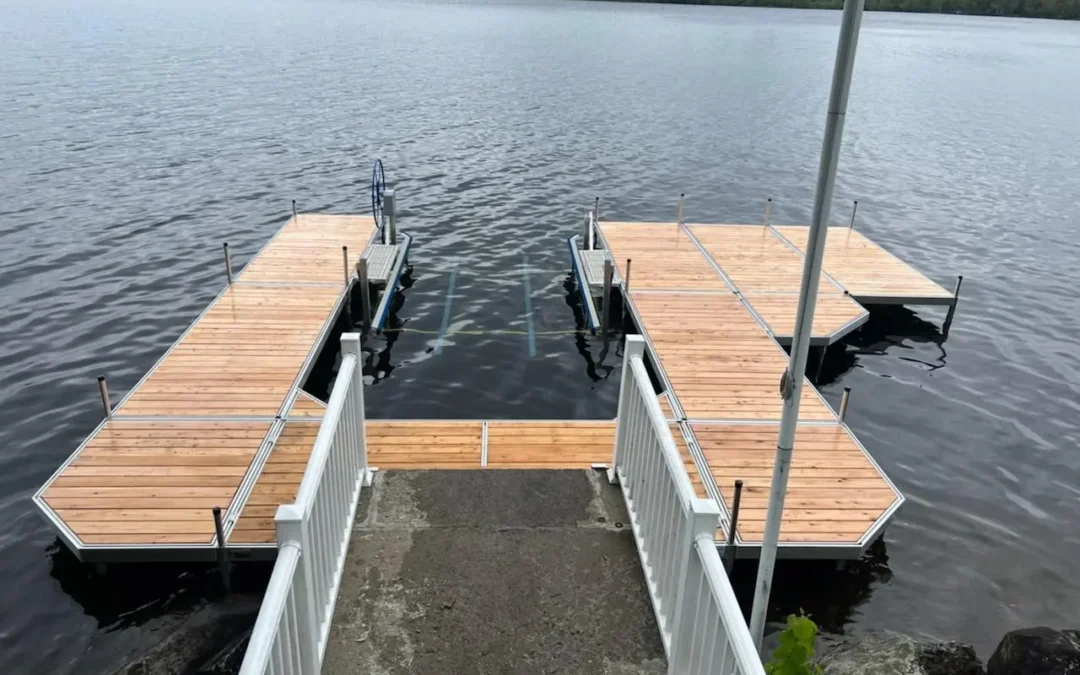
If you’re searching for aluminum docks in Maine, aluminum docks Maine, Maine aluminum docks, or aluminum docks near me, you’re likely considering a durable, low-maintenance option for your lakefront property. Aluminum docks are increasingly popular in Maine due to their resilience against the state’s challenging climate and lake conditions. This guide explores why aluminum is an excellent choice and provides practical tips for installation, helping you make an informed decision for your lake house.
Why Choose Aluminum Docks?
Aluminum docks offer a range of benefits that make them ideal for Maine’s lakefront environments:
- Superior Durability and Corrosion Resistance: Unlike wood, which can rot, or steel, which rusts, aluminum is highly resistant to corrosion, even in freshwater lakes exposed to Maine’s freeze-thaw cycles. This durability ensures your dock withstands years of rain, snow, and ice without degrading, making it a long-term investment for your property.
- Low Maintenance: Aluminum docks require minimal upkeep. They don’t need regular staining, sealing, or painting like wood docks. Additionally, aluminum resists mold, mildew, and splinters, making it safe for families and easy to clean with simple, eco-friendly solutions. This is particularly valuable in Maine, where wet conditions can accelerate wear on other materials.
- Lightweight Design: Aluminum is significantly lighter than wood or steel, simplifying installation and removal. This is a major advantage for seasonal docks, which are common in Maine to avoid winter ice damage. The lightweight nature also reduces labor costs and makes DIY projects more feasible.
- Eco-Friendly Choice: Aluminum is recyclable and has a low environmental footprint, aligning with Maine’s commitment to preserving its natural resources. Using aluminum minimizes the risk of chemical leaching into lakes, ensuring compliance with environmental regulations.
- Weather Resilience: Maine’s lakes, such as Rangeley or Winnipesaukee, can experience strong winds and UV exposure. Aluminum docks are built to withstand these conditions without warping, fading, or cracking, ensuring reliability year after year.
These qualities make aluminum docks particularly suited for Maine’s rocky lakebeds, fluctuating water levels, and harsh winters, offering both practicality and peace of mind.
Installation Tips for Aluminum Docks in Maine
Installing an aluminum dock requires careful planning to ensure stability, compliance, and functionality. Here’s how to get started:
- Site Assessment: Begin by evaluating your waterfront. Measure water depth (aim for 3–5 feet for boat access), assess the lakebed (rocky, sandy, or muddy), and note exposure to waves or wind. Modular aluminum dock systems are ideal because they allow customization to fit your specific site conditions, such as uneven bottoms or fluctuating water levels.
- Permitting Process: Before any construction, secure a Permit by Rule (PBR) from the Maine DEP, as most dock projects impact protected waters. Submit detailed plans, including dock dimensions and materials, at least 30 days in advance. Check local zoning ordinances, as towns may have additional requirements, such as setbacks or size limits.
- Anchoring for Stability: Proper anchoring is critical in Maine’s variable lake conditions. For sandy or soft lakebeds, use auger anchors that screw into the sediment. For rocky bottoms, weighted concrete blocks or specialized rock anchors work best. Ensure anchors allow some flexibility for water level changes while keeping the dock secure.
- Choosing a Supplier: Search for “aluminum docks near me” to find local suppliers who understand Maine’s lake conditions. Local providers can offer site-specific advice and ensure materials meet environmental standards. Look for modular systems with accessories like ladders, cleats, or boat lifts for added functionality.
- Professional vs. DIY Installation: Aluminum docks are user-friendly for DIY enthusiasts due to their lightweight design, but if you’re unfamiliar with lakefront construction, consider hiring a professional. They can ensure compliance with DEP regulations and proper anchoring, saving you time and potential costly mistakes.
Maintenance and Care
One of aluminum’s biggest advantages is its low maintenance. To keep your dock in top shape:
- Inspect annually for loose bolts or minor wear, especially after winter storage.
- Clean with eco-friendly, non-toxic cleaners to protect lake water quality.
- For seasonal docks, remove before freeze-up and store in a dry, sheltered area to prevent damage.
Why Aluminum Docks Are Worth It
Aluminum docks combine durability, ease of use, and environmental responsibility, making them a top choice for Maine lakefront owners. Whether you’re mooring a boat, swimming, or enjoying lakeside sunsets, an aluminum dock enhances your property’s functionality and value. By following proper installation practices and adhering to Maine’s regulations, you’ll have a reliable dock that lasts for decades.
For more guidance, consult the Maine DEP or connect with lakefront owners on platforms Facebook to get or share experiences and tips. Start planning your aluminum dock today to elevate your Maine lakefront lifestyle!