
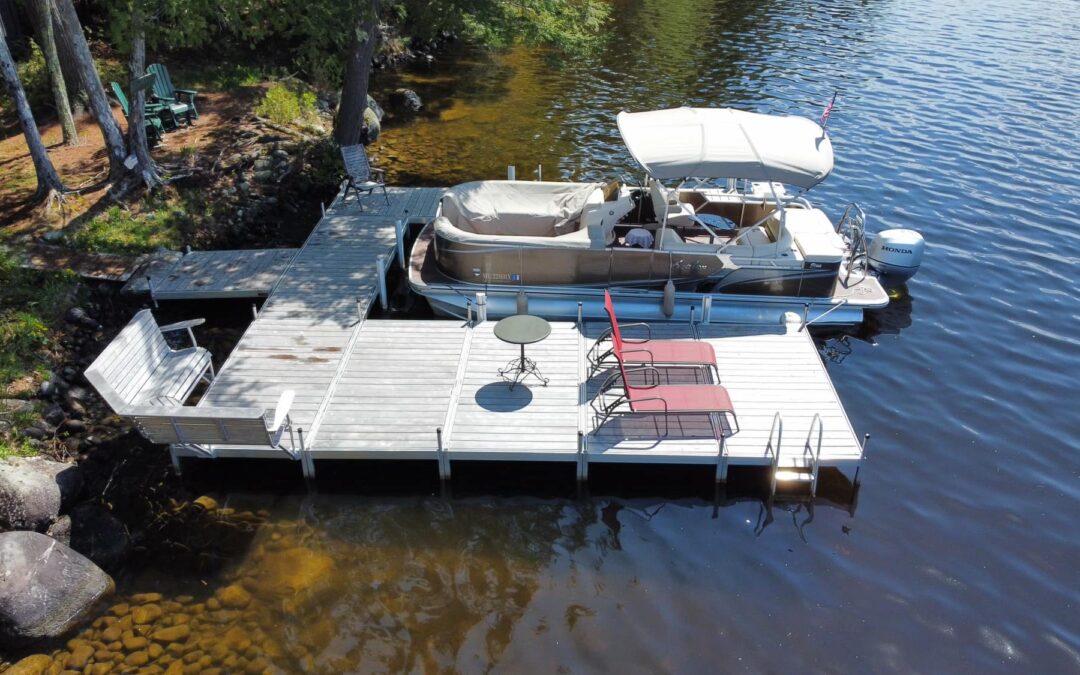
For lakefront property owners searching for docks in Maine or boat docks in Maine, building or installing a dock is a fantastic way to enhance your waterfront experience. Maine’s pristine lakes, from Sebago to Moosehead, offer endless opportunities for boating, fishing, or simply enjoying the view. However, constructing a dock in Maine requires careful planning due to the state’s unique environmental regulations, variable lake conditions, and harsh winters. This comprehensive guide provides everything you need to know about regulations, dock types, installation, and maintenance to ensure your dock is durable, compliant, and tailored to your needs.
Understanding Maine’s Dock Regulations in 2025
Maine is renowned for its commitment to preserving its natural resources, particularly its lakes and wetlands. As such, dock construction is governed by the Natural Resources Protection Act (NRPA), enforced by the Maine Department of Environmental Protection (DEP). Here are the key regulatory considerations for 2025:
- Permit Requirements: Most dock projects require a Permit by Rule (PBR) from the DEP, especially if they impact great ponds (lakes over 10 acres) or wetlands. Seasonal or temporary docks, which are removed each winter, typically qualify for a streamlined PBR process, making them a popular choice. Permanent docks, however, may require more extensive documentation, including proof that a temporary dock isn’t feasible. Always submit your PBR application at least 30 days before construction, including detailed plans such as dock dimensions, materials, and a site map.
- Size and Placement Limits: Residential docks are generally limited to 200 square feet to qualify for simpler permitting processes. Exceeding this size may trigger additional reviews. Local ordinances in towns like Lovell, Belgrade, or Rangeley often impose further restrictions, such as a maximum dock length of 100 feet from the high-water mark or setbacks from property lines (typically 10–25 feet). Always check with your local municipality to confirm zoning rules, as these can vary significantly.
- Environmental Protections: Maine’s regulations aim to minimize environmental impact. Construction must avoid fish spawning areas (often in spring) and sensitive wetlands. Use eco-friendly materials, such as pressure-treated wood certified for aquatic use or composite decking, to prevent water pollution. Docks should be designed to reduce shoreline erosion, and no construction is allowed within 25 feet of the high-water line in certain protected zones. Expansions in ecologically sensitive areas are heavily restricted.
- Federal Oversight: For docks affecting navigable waters or significant wetlands, coordination with the Army Corps of Engineers may be necessary. The DEP typically facilitates this process, so start by contacting them.
To ensure compliance, consult the DEP’s website (maine.gov/dep) for forms and guidance, and verify local rules with your town office. Non-compliance can lead to fines or forced dock removal, so thorough planning is essential.
Choosing the Right Dock Type for Maine Lakes
Maine’s lakes vary widely in depth, bottom composition, and exposure to wind and waves, making dock selection critical. Here are the main types to consider:
- Floating Docks: These are ideal for lakes with fluctuating water levels, such as those affected by seasonal rains or dam releases. Floating docks are easy to install and remove, making them perfect for avoiding winter ice damage, a common concern in Maine. They typically use encapsulated foam or polyethylene barrels for buoyancy.
- Stationary Docks: Best for stable, shallow waters, these docks rely on pilings driven into the lakebed. They’re durable but require more permits and are less practical in areas with significant ice flow.
- Roll-In Docks: These wheel-based docks are designed for easy seasonal installation and removal, ideal for sandy or firm lakebeds. They’re a cost-effective option for lakefront owners who prefer DIY maintenance.
When choosing, assess your lake’s conditions: measure water depth (3–5 feet minimum for boat access), evaluate wave exposure (especially on larger lakes like Moosehead), and consider ice movement. Rocky bottoms may require specialized anchoring, such as weighted blocks, while sandy bottoms suit auger anchors.
Installation and Maintenance Tips
Proper installation is key to a dock’s longevity. Start with a site assessment to determine water depth, lakebed type, and exposure to wind or waves. Secure a PBR from the DEP and any local permits before beginning. For installation, use marine-grade materials and ensure stable anchoring with augers, weights, or pilings suited to your lakebed. If you’re not experienced, consider hiring a professional familiar with Maine’s conditions.
Maintenance is straightforward but essential:
- Seasonal Docks: Remove before winter to prevent ice damage. Store in a dry area and inspect annually for wear.
- Permanent Docks: Check pilings and decking yearly for signs of corrosion or rot. Reapply eco-friendly sealants as needed.
- Cleaning: Use environmentally safe cleaners to avoid lake contamination. Regularly remove algae or debris.
Enhancing Your Lakefront Lifestyle
A well-designed dock transforms your lakefront property into a hub for recreation and relaxation. Whether you’re mooring a boat, fishing, or hosting gatherings, choosing the right dock type and adhering to regulations ensures a hassle-free experience. By planning carefully and maintaining your dock, you’ll enjoy years of waterfront enjoyment while protecting Maine’s pristine environment.
For more information, visit the Maine DEP website or connect with local lakefront communities and associations on platforms like Facebook to share tips and inspiration. Start your dock project today and make the most of your Maine lakefront home!