
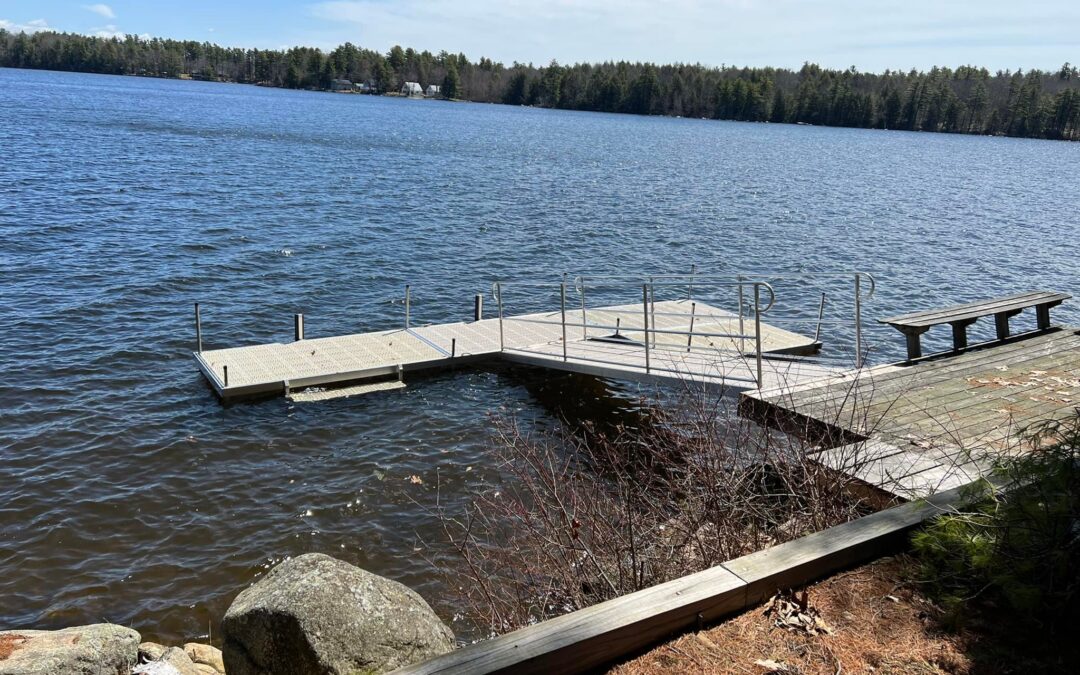
Building a lakefront dock in Maine is a rewarding project that enhances your property’s value and provides a perfect spot for relaxation, fishing, or boating. However, Maine’s unique environmental regulations, climate, and terrain require careful planning to ensure your dock is safe, durable, and compliant. This guide covers everything you need to know, from permits to construction tips, to help you build the perfect dock.
Understanding Maine’s Regulations
Maine has strict environmental laws to protect its pristine lakes and waterways. Before starting your dock project, familiarize yourself with the following:
Permits and Approvals
- Maine Department of Environmental Protection (DEP): Most lakefront dock projects require a Permit by Rule (PBR) from the DEP under the Natural Resources Protection Act (NRPA). This applies to docks that impact protected natural resources like lakes or wetlands.
- Temporary or seasonal docks (removed each winter) often qualify for a simplified PBR process.
- Permanent docks may require additional scrutiny, especially if they exceed 200 square feet or involve significant shoreline alteration.
- Local Permits: Check with your town or municipality for local zoning ordinances or shoreline regulations. Some towns, like those on Lake Sebago, have specific dock size and placement rules.
- Army Corps of Engineers: If your dock impacts navigable waters or wetlands, you may need a federal permit. Contact the Maine DEP first, as they often coordinate with federal agencies.
Pro Tip: Submit your PBR application early (at least 30 days before construction) and include detailed plans, such as dock dimensions, materials, and a site map. The DEP’s website (maine.gov/dep) provides forms and guidance.
Environmental Considerations
- Use eco-friendly materials to minimize impact on water quality (e.g., pressure-treated wood certified for aquatic use or composite decking).
- Avoid construction during fish spawning seasons (typically spring) to protect aquatic life.
- Ensure your dock design minimizes shoreline erosion, such as by using floating or removable docks.
Planning Your Dock
Types of Docks
Choose a dock type based on your lake’s conditions, budget, and usage needs:
- Seasonal/Removable Docks: These are ideal for Maine’s harsh winters, as they can be taken out to avoid ice damage. Common designs include floating docks or pipe docks supported by lightweight aluminum frames.
- Permanent Docks: Built with pilings driven into the lakebed, these are more durable but require more permits and higher costs. Best for calm lakes with stable bottoms.
- Floating Docks: These adapt to fluctuating water levels and are easier to install and remove. They’re popular on Maine lakes with rocky or uneven bottoms.
Assessing Your Site
- Water Depth: Measure the depth at your proposed dock site. Most docks need at least 3–5 feet of water for safe boat access.
- Lakebed Composition: Rocky or sandy lakebeds may require specific anchoring methods (e.g., auger anchors for sand or weighted supports for rocks).
- Wave and Wind Exposure: Maine lakes like Moosehead or Rangeley can experience strong winds. Design your dock to withstand wave action, especially on larger lakes.
- Ice Flow: Account for winter ice movement, which can damage permanent structures. Seasonal docks are often a safer bet.
Budgeting
Costs vary widely based on dock type, size, and materials:
- Seasonal Docks: $2,000–$10,000 (aluminum or floating systems).
- Permanent Docks: $10,000–$30,000+ (piling-driven docks with premium materials).
- Additional Costs: Permits ($50–$500), labor (if not DIY), and accessories like ladders or cleats.
Designing Your Dock
Size and Layout
- Length and Width: Maine regulations often limit dock length to 100 feet from the high-water mark and width to 6–8 feet for residential use. Check local rules.
- Shape: Common layouts include straight docks, T-shaped docks (for multiple boats), or L-shaped docks (for sheltered mooring).
- Accessories: Add features like benches, swim ladders, or boat lifts for functionality. Ensure these comply with permit restrictions.
Materials
- Wood: Pressure-treated pine or cedar is affordable and durable but requires maintenance. Use marine-grade, environmentally safe treatments.
- Composite Decking: Low-maintenance and resistant to rot, ideal for Maine’s wet climate.
- Aluminum: Lightweight and corrosion-resistant, perfect for seasonal docks.
- Flotation: For floating docks, use encapsulated foam or polyethylene barrels rated for marine use.
Building Your Dock
Step 1: Gather Tools and Materials
- Basic tools: Drill, saw, level, measuring tape, and wrenches.
- Anchoring supplies: Auger anchors, concrete blocks, or pilings, depending on your design.
- Safety gear: Life jackets, gloves, and sturdy boots for working near water.
Step 2: Site Preparation
- Clear the shoreline of debris and vegetation (within permit guidelines).
- Mark your dock’s footprint with stakes or buoys to visualize placement.
Step 3: Construction (DIY Example for a Seasonal Floating Dock)
- Frame Assembly: Build a rectangular frame using aluminum or treated wood. Ensure joints are secure with marine-grade bolts.
- Decking: Attach composite or wood decking boards, leaving small gaps for drainage.
- Flotation: Secure flotation units (e.g., foam-filled barrels) under the frame. Ensure they’re evenly spaced for stability.
- Anchoring: Use auger anchors or weighted blocks to secure the dock to the lakebed. Attach with marine-grade ropes or chains, allowing some slack for water level changes.
- Gangway Installation: Connect the dock to shore with a hinged gangway for easy access and removal.
Pro Tip: If you’re not experienced with construction, hire a local contractor familiar with Maine’s regulations and lake conditions.
Step 4: Final Checks
- Ensure the dock is level and stable.
- Test weight capacity with multiple people or your boat.
- Double-check compliance with your permit conditions.
Maintenance Tips
- Seasonal Docks: Remove and store in a dry area before winter to prevent ice damage. Inspect for wear annually.
- Permanent Docks: Check pilings and decking for rot or corrosion yearly. Reapply sealants as needed.
- Cleaning: Use eco-friendly cleaners to prevent lake contamination. Remove algae or debris regularly.
Common Mistakes to Avoid
- Skipping Permits: Unpermitted docks can result in fines or forced removal.
- Ignoring Ice: Maine’s winter ice can destroy poorly designed docks. Opt for removable designs if unsure.
- Poor Anchoring: Inadequate anchors lead to drifting or tipping. Invest in quality anchoring systems.
- Overbuilding: Oversized docks may violate regulations and harm the environment.
Resources
- Maine DEP: Visit maine.gov/dep for permit forms and guidelines.
- Local Dock Builders: Companies like Great Northern Docks (based in Maine) offer pre-built systems or custom installations.
- X Posts: Search X for #MaineDockBuilding or #LakefrontLiving to connect with locals sharing tips and contractor recommendations.
Building a lakefront dock in Maine is a balance of creativity, compliance, and practicality. With proper planning, you’ll have a beautiful, functional dock to enjoy for years. Share your dock-building journey on X to inspire others or seek advice from Maine’s lakefront community!